An engineer sketched this on a picnic, then spent his fortune building it.
The Jungfraubahn is one of the few railways in the world built almost entirely by hand, into terrain that had never had a permanent human structure on it before.
Guyer-Zeller's plan
Adolf Guyer-Zeller, a Swiss industrialist, is said to have sketched the original concept for the railway while watching the Eiger's north face from a hotel terrace. His proposal, submitted in 1893, was audacious even by the standards of the era's mountain-railway boom: an electrified cogwheel line running from Kleine Scheidegg, through the Eiger and the Mönch via tunnel, to a station built inside the Jungfrau itself, with a lift shaft carrying visitors the final stretch to an observation platform at the 4,158 m summit.
Sixteen years, almost entirely by hand
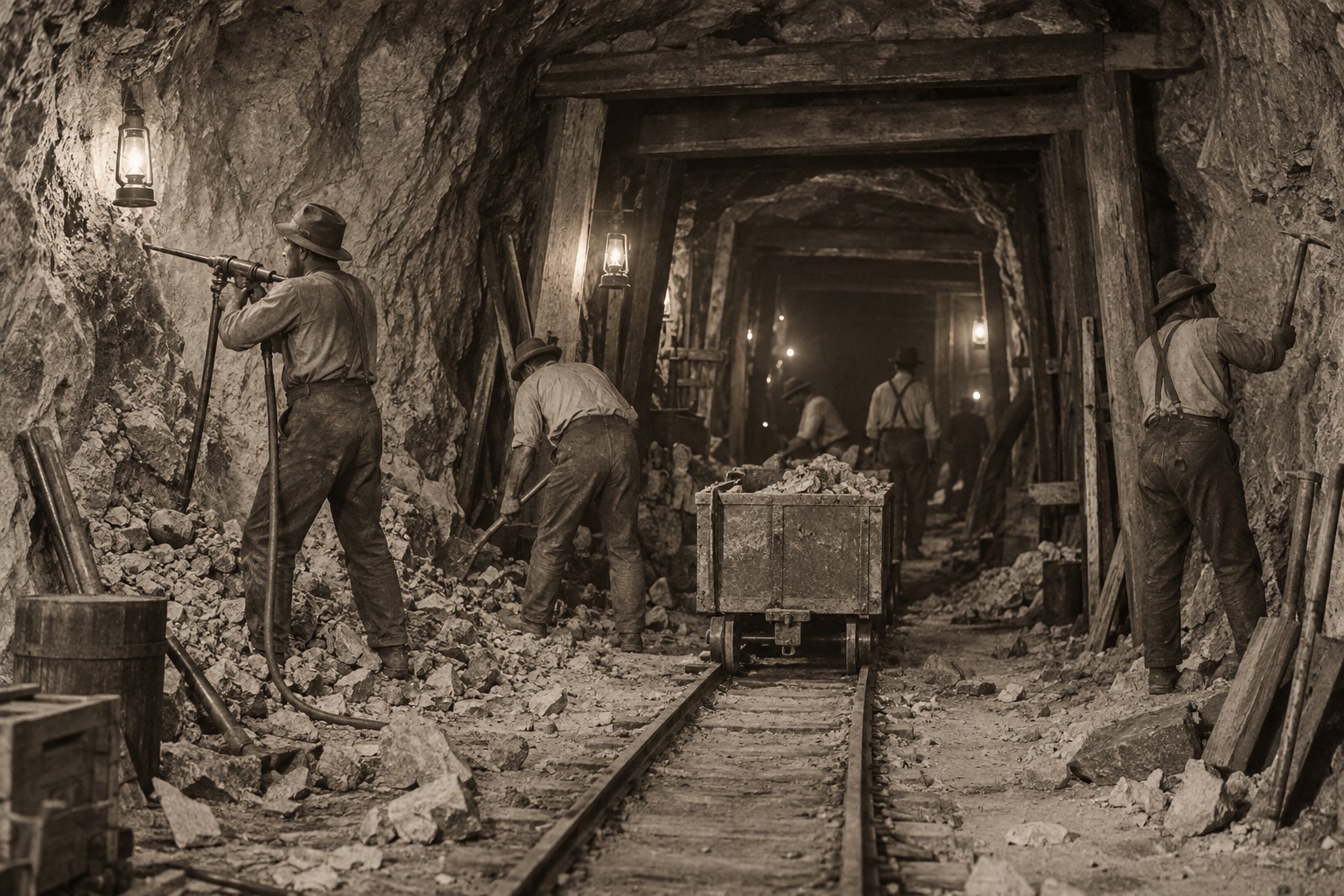
Construction began in 1896. Nearly all of the tunnelling — roughly 7 of the eventual 9.34 km of track — was cut through solid rock using pick axes, shovels, and black powder, well before mechanised tunnel-boring was standard practice. Guyer-Zeller died of a heart attack in April 1899, aged 59, only three years into the project. After his death, financial pressure led the project's management to stop the line at Jungfraujoch rather than push on to the true summit — the plan that exists today, and the one that opened to the public on 1 August 1912.
What changed after 1912
The line itself has stayed largely as built, but its operation has been modernised repeatedly: new rolling stock in 2016 cut summit travel time by nearly a third and retired the Eigerwand window stop, and the 2020 opening of the Eiger Express gondola gave Grindelwald-side travellers an entirely new, faster approach that bypasses much of the original rail route below Eigergletscher. The core achievement, though — a passenger railway climbing 1,393 metres into the heart of an active glacial massif — is unchanged since the day it opened.
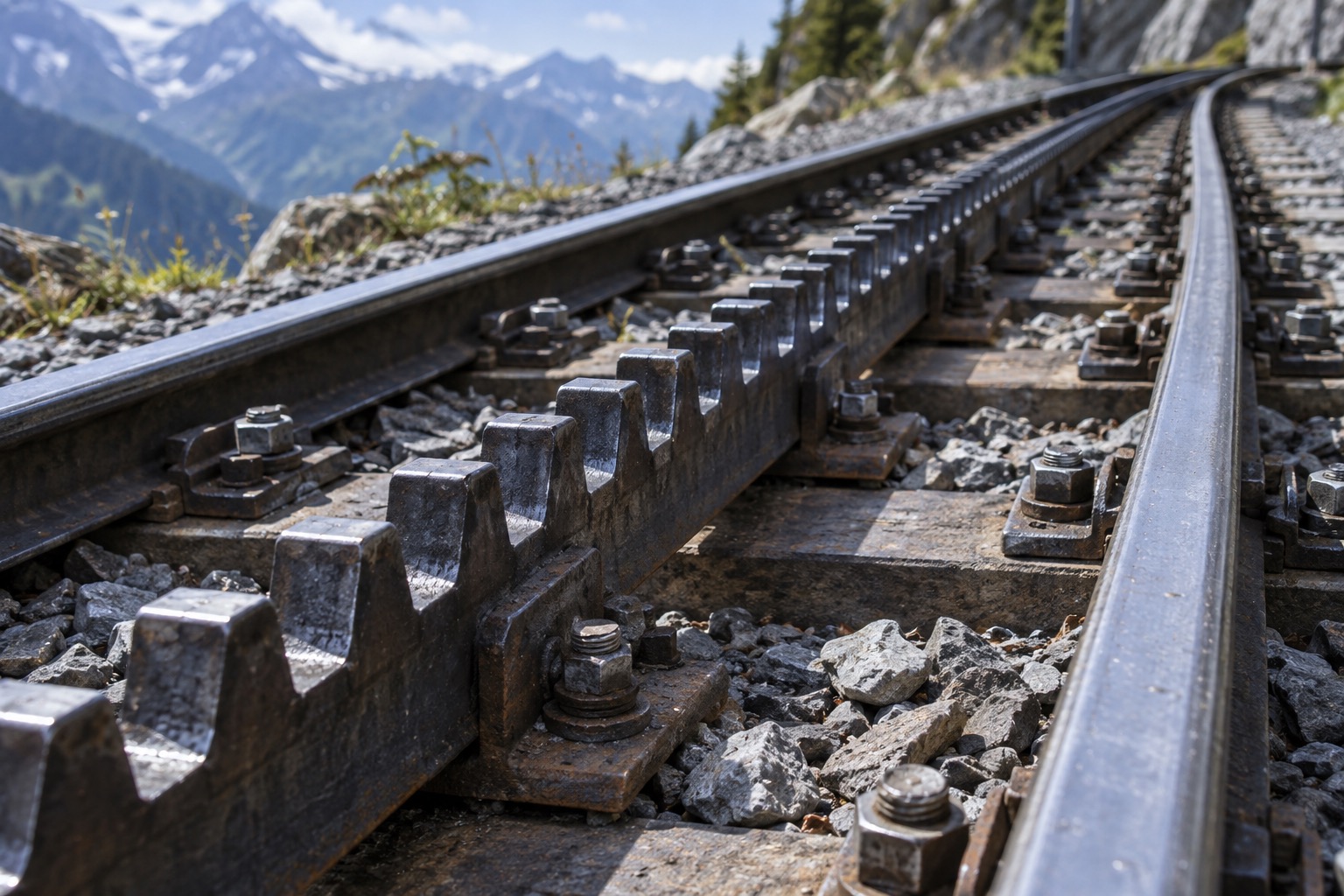
The line's steepest sections run at a 25% gradient, well beyond what ordinary friction between wheel and rail can safely climb — which is why the entire route uses a rack-and-pinion system, a toothed centre rail that a cogwheel on the underside of each train engages directly, the same basic principle used on mountain railways since the 19th century, engineered here to a scale and altitude nobody had previously attempted.